About This Blog

The public should know all we can about the business of the decision makers that affect our lives, our wallets and our democracy. This is a record of my efforts to try and improve the levels of transparency and accountability within Sheffield City Council and others. To shine a light on how decisions are made and where the money goes. If I can also help others to find their own voice and influence along the way, then that is a bonus.

Showing posts with label Parliament. Show all posts

Monday, 18 May 2020

Covid-19 – It's about what we don't know!

I am trying to get a grip on my response to Covid19 and the lock down. Some of you may be aware that I commented relatively early on about the response from Government on Facebook with a view that it was too little too late . I am still of that opinion and everything HMG has done since that time has only reinforced my understanding of their incompetence and an almost religious adherence to saving the economy above the people.

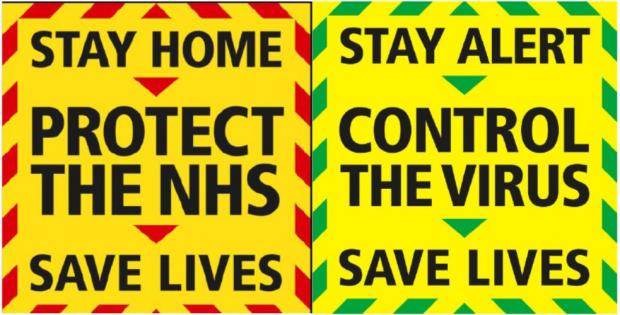
The latest change of 'emphasis' with the new slogan and amended advice is seemingly designed to do one thing, make us each responsible for the failure or success of the 'Fight against the Virus'. Government are abrogating the responsibility for our public health to us as individuals and no doubt will soon lay the responsibility for care homes and schools at the door of Local Government, more blame to go around. Government must not be allowed to get away with making the public responsible for their mistakes and failed ideologies. They continue to dissemble about their role in this chaos and, as individuals within Government simply lie about what has been said and done.
For myself the old adage from Socrates' Apology seems apt;

“... that what (which) I do not know I do not think I know ...” [from the Henry Cary literal translation of 1897]

The one overriding aspect of this virus is that we still have so much to learn. Anybody who states they have the measure or the solution to this pandemic is a fool or a liar. This returns us once more to the performance of our Government. Throughout, the Government have adopted the usual Johnson/Cummings approach of 'Lie – Lie – Run away'. Their narrative on the comings and goings of “The Science” have been contradictory and misleading. The very agency intended to provide independent advice (SAGE) was effectively suborned by political influence and considerations and the Government experts rolled out for the cameras were soon undermined and exposed as parroting the establishment story, attempting to present the Government approach to the Pandemic as reasonable and measured. This is no better typified than by the debacle of whether the Government was following the 'Herd Immunity' strategy or not.
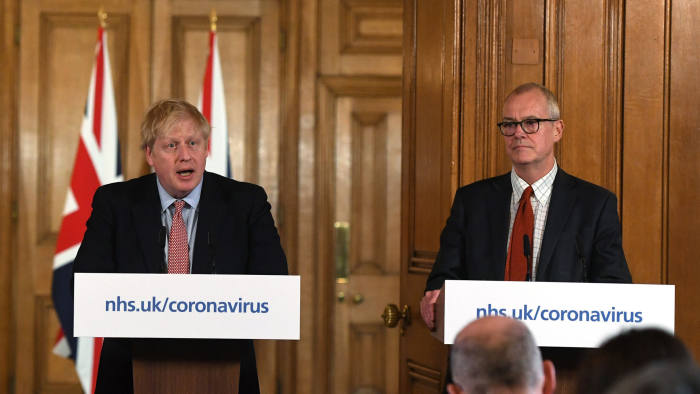
It was very clear from the beginning that the Governments key aim was protection of the economy (and their corporate supporters) rather than the safety of the populace.

We, as a country had the opportunity to be ahead of the game when we saw the devastation being caused across Europe as the virus took hold. Our Government and the other authorities failed us.


Difficulties of dealing with a 'novel' virus – how our knowledge continues to evolve

We have from the start failed to give enough attention to that one little word that prefixed the first comments about the virus – 'novel'. As a novel Coronavirus it should have been quickly identified and widely discussed as a very different form of a well known type of contagion. We are all familiar with the common cold and the flu, also coronaviruses, but placing this new virus in these familiar terms was a damning and dangerous rhetoric to reassure a worried populace. It made the thing seem less scary and more manageable.

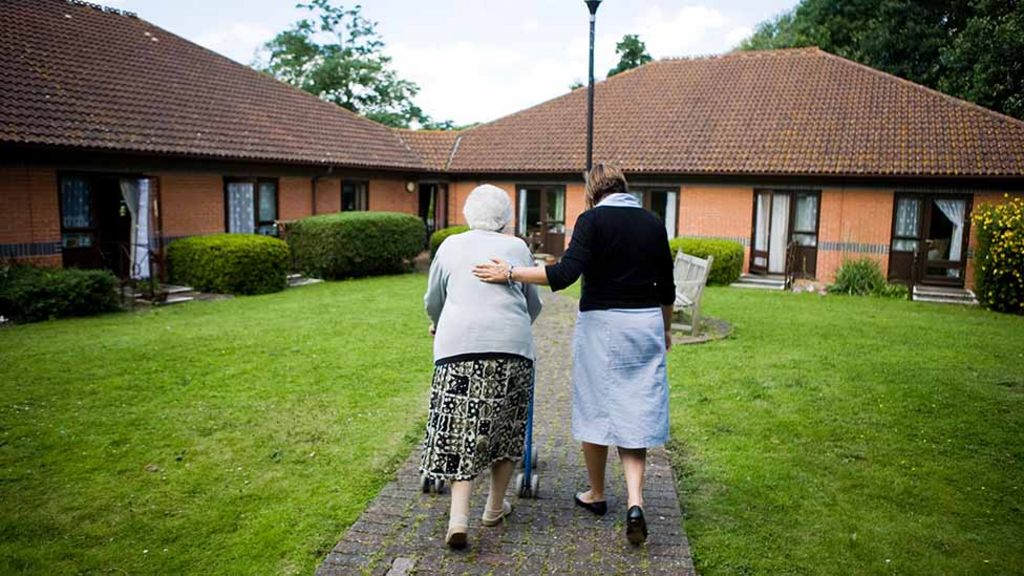
Whilst it was still far away in 'foreign parts' we could comfort ourselves that it only really had consequences for the old and those with underlying medical problems. Those risk groups would die through complications familiar to pneumonia, drowning in their own lungs and by the fatal overstressing of their previous conditions. So the older population was deemed disposable, ill older patients (probably some infected with Covid19) were dispatched to nursing and social care homes to spread the virus in their own age group and restrict the impact on the economy and the NHS.
Then we found that younger people were suffering both from the same symptoms and also dying from unexpected blood clotting issues causing Heart Attacks & Strokes. Surely they already had health issues. Well I guess if you call being 'frontline staff' in the health service or hailing from the Black and Minority Ethnic population a 'health issue' you could be onto something but this just showed a vector for the spread of the virus and the deaths were across the board.

At least the children were safe, the virus seemed to skip affecting them, or did it? A new and disturbing series of deaths in children suffering some form of multiple organ failure (similar to Kawasaki's Disease) has spoiled that theory. Further recent stats from the Office of National Statistics indicates that the rate of infections is similar across all age groups and, at the very least, this means children are infection vectors for Covid19. The more we uncover about the way this virus spreads and the impact throughout the population the clearer it is that we cannot rely on the old way of doing things and we must be very aware of the impacts of Government policy aimed at protecting the economy before the population.


The Pandemic – what is our exposure?

So what is our exposure? This is another thing we do not know. It is possible that in the early days when this Government did some testing we might have had some idea about our levels of contagion. Since widespread testing was stopped (probably because the figures were too scary) we have no definitive proof of our exposure to the pandemic. Oddly in Sheffield we have a better idea as our local Health agencies tested more than any other area of the country, which lead to the city being seen as a bit of a hot spot until it was explained that, the more you test the more you discover infected people. Yet even now we still have poor community testing programme and the infrastructure to 'Test – Track & Trace' is way behind where it should be.
As a result the Government figures for infections are widely disbelieved and even the figures for deaths (we only started counting deaths in care homes a matter of days ago) is believed to be seriously under-reported. Only those tested count for official figures and my own household has one, potentially two, people who were infected but did not require medical intervention (therefore not counted).

Official Figures; ONS Figures; Unofficial Figures;

Effectively this is another area where our knowledge is incomplete or flawed and yet decisions of national impact and of Life & Death are being made using the most optimistic of these figures. (The black line)


Test & Trace?

Another part of the puzzle that our Government chose to avoid and is only now very late in adopting is the idea of Test & Trace. It has been clear from the off that those countries which responded early to the need for testing and chose to trace contacts of infected persons have had a lower impact from the pandemic. The World Health Organisation has supported this approach from the early stages and it is the only thing that will allow us to really understand our susceptibility to a long and deadly series of additional waves of Covid19.

We are, in this country, in a 'debate' about opening up our schools again. A comment from Government did say that testing and tracing would be available to any child or teacher that started to show symptoms after the return to classrooms. I'm going to let that sit for a moment. … Symptoms show only several days after infection and during which pause the person is contagious to all around them. Government (Boris & Gove) talk about the great British Common Sense, I see none of that in this approach. I see a Government sacrificing teachers and children to their God of the economy. Teachers should not be expected to put their lives on the line for the sake of getting their pupils' parents back to work. The evidence of the impact from one Bristol school should be enough to kill this idea stone dead.

Even the Governments plans for tracing are falling apart, as first they tried to get one of Dominic Cummings pals to create the system and then it became clear that the public do not trust our Government to keep our data safe and therefore will not adopt the 'Phone App' system.


Comparisons – useful or not?

The UK has recently recorded the highest death toll in Europe (not the EU but the continent) and, as a result our Government has now stopped showing the UK figures in comparison to our European neighbours. Is this a cynical attempt not to look bad in the press and to the populace or are comparisons not really that useful? I would simply ask what use are a set of isolated figures if you have nothing to measure your efforts against?

By comparing what we do to combat this pandemic and the results of those efforts against other countries allows for two things. One we get to see how what we do, whether similar or different, changes the impact on the pandemic. Two, we can learn from those that have better or worse results than we do and therefore save more lives.

This and many other useful graphs & comparisons can be found here at a Blog by Chris Rust

Conspiracy Opinion – a danger to us all?

A healthy scepticism of the motives of Governments is a good thing in a democracy. Falling for every hare brained conspiracy leading down a rabbit hole of social media opinion is a different matter. (Yes I am aware I mixed a hare metaphor with a rabbit metaphor) So far the Covid19 pandemic has been blamed on 5G phone tech, the Chinese, The Americans and probably if I looked hard enough we would find the Illuminati and Aliens in the mix. The evidence for all these 'beliefs' is sketchy at best and outrageously comical at worst. The key word there is belief, since by admitting to a belief most people will never be disabused of the righteousness of that belief. It triggers a response of cognitive dissonance, known as belief disconfirmation ;

“The contradiction of a belief … causes cognitive dissonance that can be resolved by changing the challenged belief, yet, instead of effecting change, the resultant mental stress restores psychological consonance to the person by misperception, rejection, or refutation of the contradiction, seeking moral support from people who share the contradicted beliefs or acting to persuade other people that the contradiction is unreal.” (Eddie Harmon-Jones, 2002) or to put it on shorter and pithier words; “The trouble with the world is that the stupid are cocksure and the intelligent full of doubt.” (Bertrand Russel)

Yes, there are conspiracies in this world but I would be surprised if any of the actual conspiracies are openly touted on Social Media. Spreading and giving oxygen to theories that lack credible evidence or even basic substance is dangerous in times of global tension and a deadly pandemic so, be careful what you believe and be even more careful what you promote. You have complete license to believe any dangerous conspiracy you want but you have no right to inflict harm on others as a result of that belief. 2000+ years of religious wars anyone??


The second wave? & When will it be over?

The idea of the second wave (and possibly more) of Covid19 is one that was established early, one of the few things we can be confident about, following the evidence of the 1917/18 Influenza pandemic. The release of lock down conditions will result in a second wave of infections and deaths. In the Influenza pandemic this was in many cases worse than the first wave and the result of relaxing restrictions too early. Yet we seem to have learned little judging by the Governments approach. Even before the incidence of deaths has dropped to the level where the lock down was imposed are they talking of starting to ease restrictions. With parts of the country still experiencing infection rates above Government targets the economy is being championed and people who can sit safe in their mansions are urging people back to work and into harms way for the sake of the corporate economy.

As for all this chaos being over? That may never happen. If a vaccine is discovered then there is the opportunity to radically reduce the impact of the pandemic but we have not yet found a successful vaccine for a coronavirus. It may be that we have to accept a new 'mutation' of the virus on a regular basis and the search therefore for a new vaccine. Influenza requires a shot every year, partly to aim at the most likely strain for that season, and partly to address the fact that one shot confers only a limited window of immunity. How might this change our society in the long term?


Last word

As a last contribution I reiterate my words from the beginning of this piece; “Anybody who states they have the measure or the solution to this pandemic is a fool or a liar.” We are still learning what this virus is and what it can do. We should not underestimate it's 'novel' nature and that science and society is struggling to catch up. One thing I would like to think is that we will arrive at a society that replaces the religion of economy and money with a society based on recognising that we have enough for all in this world, if only we are willing to share. I have no confidence in that outcome but I will keep working for that in my own city and region so long as I can usefully do so. So remember and beware;


“The saddest aspect of life right now is that science gathers knowledge faster than society gathers wisdom.” -Asimov

“It is dangerous to be right in matters where established men are wrong. “ — Voltaire, in other words, "It is dangerous to be right when the government is wrong."

Monday, 19 February 2018

Sheffield City Council Cabinet Meeting 14th February 2018

My questions to Cabinet this month were a bit unusual in a number of ways. Some are relatively straightforward but are a part of a longer term considered inquiry and one was delivered on the day instead of in advance as is my usual practice.


In a similarly unusual move some of the questions were either answered or written answers were offered before the meeting. In view of what came later, this was useful.

So: Question 1, on numbers of staff and budgets for Communications as against Democratic Services, I will be receiving a written answer.

Question 2, on capacity and number of students enrolled in the City's two University Technical Colleges, I will be receiving a written answer.


Question 3, on progress on my Conduct Complaint against a Councillor, I was updated verbally before the meeting and have since received a written answer. Apparently we are awaiting the arranging of a 'Consideration Sub-Committee' and have been since before Christmas. I wonder what will happen if this is not arranged before the AGM when everyone plays musical chairs in the committees?


Question 4, on the recent report by the Communities & Local Government Select Committee Inquiry into Overview & Scrutiny Functions in Local Government, was answered by Cllr Julie Dore (Leader). She commented that she would expect the Council's own Overview and Management Scrutiny Committee to consider the report as part of it's work programme. It would also look at all the recommendations of the report even though I had highlighted only certain parts.

That is fine by me, I had at this stage highlighted areas I know SCC don't do currently in the hope of stimulating a debate on the effectiveness of scrutiny in the city. To that extent I am content … for now.


My final question of the meeting was submitted at short notice and therefore I expected little by way of an answer but it was to serve notice that a disagreement may be at hand. In my Question 5 I asked about a decision announced (in private to the Sheffield Star only) that day about Mount Pleasant House being sold to a company to make into a Care Home.

There had been, in the previous week, reasons to believe that the decision may have been based on 'mistaken' or missing information in the reports received by Cabinet Members. I therefore asked that the decision be referred to Scrutiny to ensure “...that a complete understanding of the decision can be achieved and that it is based on a full understanding of the impact of this decision on another gem of Sheffield's heritage before it is lost to the local community forever.”

I also asked for a number of bits of information about the stage of the negotiations with the successful bidder.

The initial response was from Julie Dore, who commented that there is a protocol for contract decisions and it is not possible to comment on confidential or commercially sensitive information. There was no comment about referring the decision to Scrutiny.

Cllr Olivia Blake (Cabinet Member for Finance) then confirmed the offer of a meeting for the following morning as she thought an early meeting with herself, Cllr Ben Curran (Cabinet Member for Planning and Development) and Cllr Mazher Iqbal (Cabinet Member for Business and Investment) would be useful to look at other locations to develop some of the proposals in the Mount Pleasant bid.

I suspect this story will run and run, whilst another unique gem of Sheffield's heritage is under threat.


To make small regular donations to my support, please click below.

Thursday, 6 October 2016

Raining on the Devolution Parade?

October's Now Then Magazine has an article from me that is a brief review of where we are on the devolution process for Sheffield City Region .

A week however, as they say, is a long time in politics and although the end of the process is in sight, the uncertainty is getting worse. Since I wrote the article, there have been developments. The City Region Combined Authority met on September 12th and item was to receive the report on the last consultation about regional governance and an update on the rest of the process. Minutes of that item are here. A link to the summary and the detail of the consultation is at the bottom of those minutes.

The main thing to note for me is that the City Region has a population in excess of 1.8 Million, whilst the public responses to the consultation amounted to 2,719. That equates to 1 in 660 people responding or 0.0015%. The response for Sheffield itself was 292. That's around 1 in 2,000 people that live in the city or 0.0005%. Putting this another way, incredibly poor engagement and understanding by the public.

Despite concerns being expressed, at the meeting, over this appalling response rate, the outcome was as expected. The meeting agreed to forward all the relevant papers to the Secretary of State, so he can prepare the draft order to be placed before Parliament. It is this order that will give legitimacy to the changes in both geography, including Bassetlaw & Chesterfield as constituent councils, and implementing the change to a Mayoral Combined Authority. In the meantime the Officers of the Authority will continue to try and get clarification on Theresa May's recent comments about devolutionary Mayors and the impact of the legal proceedings undertaken by Derbyshire County Council.

That draft order should arrive back on SCRA desks in time for it to be considered at the meeting on the 24th October. If that meeting agrees, the order will then go before Parliament for a vote as soon thereafter as possible, probably by mid November. Only then will the Electoral Commission begin work on the Mayoral election process, which should be finalised around the New Year.

The election of the Mayor will then take place in May of 2017.

As I point out in the article for Now Then, however, there are still questions to be answered about Chesterfield's status and, yet again, about which of these processes, Parliamentary vote or legal dispute, will take precedence overall. This devolution deal could still sink without trace, expect more on this in the next month.

Friday, 15 July 2016

The First 100 Days – The Mayor of Sheffield City Region

On the 14th July I attended an event organised by the Centre for Cities, an independent cities think tank. I won't comment on their political colour, check out their website and judge for yourself. It was hosted by the Centre's Chief Executive, Alexandra Jones.


The panel for the event were Lord David Blunkett - Chair of the Sheffield City Partnership Board, June Smith Engineering Employers Federation(EEF) and Dr Craig Berry – Deputy Director of Sheffield Political Economy Research Institute(SPERI). The audience amassed about 50 or so, mostly male, all white and generally over 50, reflecting the general apathy around this whole debate.

Alexandra Jones introduced the event as part 4 of the continuing programme of discussion on the priorities of City Region Mayors, to be elected in May 2017, focussing on the first 100 days of the role. She described the historic nature of the changes and the success of the Manchester Region in securing further deals above and beyond the original devolution agenda. She did also however express concern over the lack of certainty for the whole devolution agenda with ongoing changes in the Cabinet and the acknowledged role of Osbourne as the champion for these deals.

As she was speaking I have to say my own thoughts were more about this not being the least bit historic, as it was not a constitutional change, but just one more in a string of local governments re-organisations dating back to the 70's. My thoughts on the Manchester deals was around the £1Bn hole in their Health budget and their recent accession to the 'Justice' system powers due to have budget cuts of 25 to 30% next year. Devolution of powers or austerity & blame?


The first speaker was Lord Blunkett. His first comments were to clearly state that he was not going to put himself forward for the Mayoral job. That list is getting shorter by the day. He then went on to outline three areas he felt the Mayor should concentrate on in the first 100 days. Briefly these were; To have created a manifesto based on the ideals of the Sheffield 'Fairness Commission', to work to heal the divide in the city and the Region and to bring all the Councils together in common cause, recognising that sometimes the rivalries within the region and further afield were counter productive. To reach out to councils & councillors and ensure a definite role for them in the region. To look at the role of the public & civic society and potentially take on the lessons of the 'citizen's assemblies'. To develop something more than just an economic policy role for the Mayor, adding social policies as well. He briefly commented on Europe and envisaged a potential for the Mayor in engaging with EU cities to bridge the 'Brexit' gap and potentially a new Hanseatic League to foster European ties.


The next speaker was June Smith of the EEF. Her main points were about the Mayor's role in business and local government working together to optimise growth for the region. Getting planners to understand the needs of businesses and develop pro-business policies. There were also comments about the diversity of businesses in the region and the need for a broader range of businesses to be heard by the region and the Local Enterprise Partnership(LEP) and that the EEF could help with that. Finally that the Mayor's role with transport should ensure it supports growth of business and develop a consistent approach to business support.


Dr Craig Berry rounded off the speakers and he started with a warning that the current model of devolution was unlikely to deliver sustainability and growth particularly after Brexit. The theory on which the city regions were expected to succeed, 'agglomeration' around economic benefits, showed no evidence for developing successful cities and that the most successful cities were where the state had an integral role in involving social policies in the regions. He also commented that agglomeration was a divisive type of growth as it meant winners & losers. He asserted that we need to go further in to the basics of power and discuss on a national basis where powers should reside and make devolution plans appropriate to that outcome, before city regions could be truly successful. He was also concerned that the model in place would only further entrench the adversarial politics under which we currently operate, illustrating an assumption that seemed common to the panel that only political parties would field candidates.


The chair then opened the discussion to comments and questions from the floor. I won't try to provide comprehensive coverage, as the event will probably be available online in due course. My own comments and question were around the earlier comments I made on the lack of constitutional settlement for these devolution deals and the doubts around Manchester's deal and the transfer of austerity blame as well as powers. My final comment and question was to highlight the forecast by Barclay's that the UK is about to enter a year of recession and what would happen to promised funding if the city region failed to meet growth targets.

The responses were weak and centred around the idea that a positive and ambitious approach to the devolution deals and the Mayoral model will give business confidence enough to continue to invest. The crux of my question about the funding link to growth and the consequences of failing to meet those targets was not responded to by any of the panellists.


Where does that leave us? For me I feel the whole devolution agenda is now in serious trouble. Brexit has undermined the funding basis for a great deal of the regions ambitions, particularly for the Universities and the 'knowledge economy' they represent. The sacking of George Osbourne removes the champion of devolution from the game and with a cabinet minister at DCLG (Department of Communities & Local Government) who is a proven centraliser, he is responsible for the decision to close the Sheffield office of the Business Innovation & Skills (BIS) department, there may be precious little enthusiasm for continuing or expanding the whole process of devolution.

We are all whistling in the dark and hoping that the nightmare goes away. Meanwhile uncertainty and chaos reigns in Government and Opposition and the UK continues to drift.

Sunday, 20 March 2016

Sheffield's 'Devolution' Deal – The Last Lap?

Friday's special Full Council meeting voted to approve the ratification of the so called 'devolution' deal that first came out of it's closet in October last year.


Until October, following Manchester jumping first, the deal was in the offing but because of secretive negotiations, any details were entirely unknown. The deal hit the ground running with a public signing ceremony complete with the Chancellor and the four Metro Council leaders of South Yorkshire looking cosy, right before the Conservative Party Conference. Despite later insistence from the council leaders that this was a 'proposal', a signed document committed them to a process to agree the deal, either as it stood or subject, as it turns out to some further negotiation.

From that point on and with the relentless pressure of Government timetables snapping at their heals, the councils of the Combined Authority have acted with what some would call undue haste to ensure a deal was done. Questions and concerns from community groups and members of the public were played down, particularly around issues of a Metro mayor with veto powers and the wide range of clauses within the deal that were vague and uncertain. Funnily enough the Mayor's veto later became a 'red line' issue for Sheffield council.


So, by leaps and bounds, the process moved on. Discussions continued, behind closed doors, yet until late December the public was largely omitted from the process. A public consultation did happen over Christmas & New Year, (great timing) and the results were finally reported to the City Region mired in positive spin. Then councils started their ratification processes. Barnsley, Rotherham & Doncaster voted for the deal in very short order. No surprise really, the leader of Barnsley had commented at a Sheffield City Council scrutiny meeting that 'without this deal he would be unable to provide public services in Barnsley in the very near future'.

The North Midlands councils voted in favour, some agreeing to become full constituent members of the City Region, enabling them to vote for the Mayor. Only Sheffield remained. Before the meeting on Friday, Julie Dore's 'red lines' were apparently resolved to the council's satisfaction and the stage was set for a yes vote.


As a Full Council meeting there was a space for public questions. Only two members of the public were there to ask questions and, no surprise, I was one of them. In my question I outlined the litany of broken promises, pledges and targets typical of the last six years of 'austerity' and the essence of my question, rounded out by a number of technical points, was;

“Does the Council believe it can trust the current Government to honour it's commitments with respect to this so called 'Devolution' deal?”

The response came from Julie Dore, as Council Leader. The response was, essentially, no we cannot trust the Government. The Council will have to work ceaselessly to ensure the commitments are met and if they renege on any of the promises within the deal, we will withdraw. She also pointed out that until the order approving the deal went before Parliament there was still time to do so.

The Leader commented that this was the only deal available at the moment and that no-one could afford to miss the boat. Without this deal our city and our economy would fall even further behind the rest of the Cities in the country and that, even though the Government continue to control the purse strings, they can cut funding now or in the future with impunity anyway.


The chamber then went on to debate the deal amongst the political parties. At this point it all becomes quite acrimonious and playground behaviour. The gist of most of the contributions however were to the same effect. It's the only deal on offer, we know we can't trust the Government, any extra money is better than none, we make better decisions locally.

The missing links for me were around responsibility and blame. Nobody really acknowledged how the deal will enable the Government to place some of the responsibility for future austerity in local hands as well. If the deal falls apart through funding cuts, no matter what the facts of the situation, the blame will fall on the City Region and therefore the councils. That may not be true nor fair but that is how it will play out in the political spin olympics in Parliament and in the hostile media.


So with fingers crossed and hearts full of hope and dread in equal measure, it would seem, the Labour and Lib/Dem Councillors in Sheffield have set sail on Osborne's great experiment. The final act will be the ratification of the deal by the City Region Combined Authority , on the 31st March, followed by frantic, no doubt secret, discussions to try and get all the uncertainties resolved before an order is laid before Parliament towards the end of the year.

Sunday, 13 March 2016

'Devolution' – Decision Day.

Sheffield City Council have announced a special meeting of the Full Council on Friday 18th March at 5pm in the Town Hall, to consider and vote upon the latest version of the Chancellor's 'Devolution' offer to the City Region.

I have written about and asked questions of Council, Cabinet and City Region, endlessly it sometimes seems, on this subject. Now, although the two matters deemed 'red line' issues for the Council have been largely clarified, many of my concerns remain unanswered and may remain so for many months after the decision.

Initially, when I raised my concerns over the 'mayoral veto' in October 2015, I was told 'that paragraph' would be changed during redrafting of the proposal. Strange then that this issue should have to become one of the Council's 'red line' issues before HMG conceded that the veto could be superceded by the City Region's Constitution. Cllr Julie Dore, at the Cabinet meeting of 9th March 2016 confirmed that the Constitution of the SCRCA would have primacy in law over the devolution agreement between SCRCA and HMG. Let's hope this never has to be tested in court.

So the first 'red line' issue is sort of dealt with, The second is somewhat trickier and illustrates the divisions in the City Region.

Regional Geography was always going to be an awkward issue. I raised the problem of a City Region Mayor that would only represent the 4 Metro Councils back in October 2015 and it was clearly an uncomfortable issue for the City Region as a whole. The decisions about who could vote on which issues and decisions in City Region meetings were constantly part of the background uncertainty of this geography. In effect, there was to be a two tier Region, Tier 1, the 4 Metro Councils with votes on all matters. Tier 2, the district Councils, attached both to the City Region and to their County Councils, able to vote on a restricted number of matters.

The changes that Sheffield negotiated into the 'Cities Bill' have enabled the 2nd tier councils to choose whether to be a full member of the City Region or remain connected to their County Councils. This was a red line with the city as they wanted to ensure a City Region that would fully involve both types of councils not just the 4 Metros. As it stands, only Chesterfield has chosen to become a full member so far and Bassetlaw is likely to be the second to agree on the day before the Sheffield Council meeting. This is, apparently, enough for Sheffield to consider the geography issue resolved, even though 3 of the 5 North Midlands Councils will remain 2nd tier and unable to vote for the Region Mayor or on many other matters before the City Region.

So two 'red lines' bodged and now Council are full steam ahead to ratify the agreement and commit the City to a future as a regional powerhouse. Though recent government decisions seem to suggest that it may be in name only.

Personally, I think it is essential that the city is part of a larger power bloc in order to combat the centralising mindset of the Civil Service and of many MPs as well, I continue to doubt if this is the right solution. The very fact that the Chancellor and the Treasury are so adamant that this will happen rings alarms for me. I've had private discussions with Department for Communities & Local Government officers that suggest they are equally unhappy with the current steamroller of devolution deals and that should concern us all. They comment on the lack of public knowledge of the deals, the lack of consultation and the secrecy of the negotiation process as their concerns, all of which I share.


Other concrete issues are also left up in the air for some future negotiation and agreement. So that, even after the Council make their decision, the details and context of the agreement may shift subtly and probably against local interests. If you read the article I wrote in October 2015, and compare that to the relentlessly positive comments within the Council documents and particularly looking at Appendix 4 and the comments that try and spin any negative to a positive in the public consultation you will understand they mean to have their way on this, despite the public's doubts and even the doubts within Cabinet and Party at city level.


You now have a few days to let your Councillor know how you feel about this issue before the vote on the 18th, I hope you will, I shall be firing off emails, just in case my local Councillors don't read this article.

Sunday, 10 January 2016

City Region Devolution - A Deal on the Brink.

The Sheffield City Region Devolution Deal is a bit like the weather this winter, unsettled.


The deal is currently available for public consultation and finally, with just a few days left, it is now linked on the front page of the Council's website . The next stage should be a formal decision, in February, by the Sheffield City Council to support or reject the deal. This decision then goes forward to a meeting of the Combined Authority in March where they will vote on the same question.

If the vote is in favour of the deal then it is intended that the implementation would start on the first of April. Exactly what that would look like though is still not clear at this stage, as Council officials involved in the negotiations with central government have admitted that all the details of the full agreement will not be completed even at that point.


In the Public Questions item on this last Wednesday's Full Council Meeting I asked a number of questions about the devolution consultation, including exactly when the proposal would be brought before council for a decision.

Julie Dore (Leader), commented that the two 'red line' concerns of the City Council were still not resolved. That is, the removal from the proposed agreement of the paragraph giving the elected mayor a veto on all decisions of the Combined Authority (a far more powerful role than any initially expected) and clarification on the impact of the amendment to the 'Cities & Local Government Devolution Bill' with regard to Combined Authority councils that are currently part of two tier County Council structures.

In other words, Sheffield wants the power of the Mayor to be circumscribed to specific areas of decision making and they want to know what happens if a North Derbyshire council wants to drop their County and become full 'constituent' members of the City Region.

I've been pushing concerns over the first of these 'red lines' since the proposed deal was first released to the public in October 2015 negotiators have now caught on to this veto clause too. The geography question matters because the financing of two tier council's is bound to their County and how this will play out if a council decides to switch sides is still unclear. Things like police funding, fire services, education, transport and highways are all complex matters that need to be clarified before any such move might be contemplated.


Most interesting about Councillor Dore's comments, however, was concerning the timing of the decision making process for the proposed deal. All along the City Region has been dancing to the beat of the government's drum. The deal was announced in time for the Conservative Party conference, and the Chancellor's Autumn Statement. The pressure to have the deal signed sealed and implemented in April is from the Government.

Julie Dore plainly stated at the council meeting that she will not bring the proposed deal before the council until these 'red line' issues are resolved. She has made it doubly clear that she will no longer follow the HMG time scale but will take as long as necessary to get the deal right even if that means missing the deadline for the February Council Meeting, or the March Combined Authority Meeting or the proposed implementation on April first.


The Devolution Proposal is now on the brink of failing. If HMG won't budge and Council won't budge we enter uncharted waters. Will council step away from devolution at this time? Will HMG move on to other potential deals with other authorities? Will the Northern Cities find their courage to fight for true devolution rather than this expanded 'City Deal'?


In the Meantime please continue to have your say by completing the Devolution Survey and I will continue to try and keep you aware of the developments.


Saturday, 11 October 2014

11th October 2014. Democracy, What a Good Idea! - Community Engagement in Sheffield.

Today, as part of my work with Sheffield for Democracy, we presented an event about the work we have been doing over the last year or so in order to get feedback on whether we were headed in the right direction for our members and where we might go from here. The event was also open to the public to try and gather some new members for a community group that currently punches way above it's weight in the city for a group with no real resources beyond it's members.

The groups website (click here) will carry a more detailed report on what went off but I just want to cover the highlights of what was discussed and what came up from the members and public. We covered six base subjects, most of which overlap in some way or other but give us the chance to talk specific issues and campaigns.

The first was Community Engagement led by Jonathan Marsden. He outlined the way engagement with Sheffield City Council has changed since the demise of the Community Assemblies and commented on some of the concerns that have arisen about lack of transparency and accountability. There are also concerns that the new arrangements make it more difficult for the public to get involved and there is some evidence of local members of the public having their voice drowned out by the 3rd sector. (Charities and Voluntary Groups) Comments from the audience suggested we need to keep up the pressure on accountability and also stress to Council that the funding available through the old CAs was only a part of why people valued them. There was also the connection to Councillors and the ability to discuss issues in public meetings. How can this be revived?

Next up was me discussing the groups connection and work with Parliament. I outlined our work submitting evidence to the Political and Constitutional Reform Committee with respect to two of their inquiries, The 'Local Government Code' as it is known and 'Voter Engagement'. Also on our meeting with the Deputy Prime Minister, Nick Clegg MP. At this meeting we discussed with him the constitutional concerns about City Regions, Local Devolution and finally the proposed MP recall legislation. Audience comments this time centred around the need for stronger safeguards around the City Regions influence and also potentially the Clinical Commissioning Group around the NHS, the emphasis on possible economic led devolution rather than democratically led devolution and the concern about devolution being City centric.


Our third issue was Hustings, something Sheffield for Democracy has organised for General elections, the European elections and the PCC elections. Afrah Alkheli led on this one, giving a potted history of our previous efforts but mainly wanting suggestions as to what would be best for the 2015 general election. The suggestions from the audience were, that hustings were a good idea and were usually far more interesting than they might at first sound. That the way we organised the Euro hustings should be promoted as a model. They could have potential around highlighting issues at individual events. Some concerns from our side that, as a small and poor group we could not achieve that level of commitment.

Issue four was Scrutiny and led by Alan Kewley. He attempted to outline the labyrinthine structure of Scrutiny Committees within the city council and some of the new bodies for which scrutiny is still an uncertain animal, such as the Police and Crime Commissioner and the City Region bodies. This subject caused some of the most strident comment with one participant suggesting that the whole scrutiny system was dysfunctional. There was a general call for scrutiny to be more independent and concerns over the tensions that arose within the council and the scrutiny function over 'politicisation'. There was also a feeling that the public were usually more engaged and active in scrutiny than the councillors.


Number five on our list was around Ward Boundaries, Local Elections and Local Devolution, it was led by Vicky Seddon, the groups co-ordinator. Vicky outlined the current review of ward boundaries being undertaken by the Boundary Commission and our submissions to the city council about the shape of things to come. She also talked about the All Out Election that would follow and whether this is a good idea for a permanent change. Then she covered in more detail the potential forms of local devolution that appear to be on the table from the main parties. The feedback was that ward boundary issues are fairly impenetrable and will never satisfy everybody. The idea of all out elections was generally well received and comments suggested that although the current system offered a more stable approach that all out elections would probably create a more balanced council politically. It was felt this would be particularly true with Proportional Representation as well. The audiences thoughts on devolution were more uncertain and were generally in favour of a full and frank discussion probably under the auspices of a Constitutional Convention.

The last issue we discussed was the role of the PCC and their scrutiny system, the Police and Crime Panel. Wendy Zealand led on this, as a member of our group but also Regional Co-ordinator for the Neighbourhood Watch. Wendy gave an outline of the relationship between the PCC and the scrutiny arrangements of the Police and Crime Panel. The poorly considered legislation gave no real powers to the scrutiny PCP and as a result they are just an advisory body that can question but not control or remove the PCC. The concerns raised before the elections for PCCs about this excess of power in one role bore disturbing fruit in the case of Rotherham and the PCC. The audience response was to highlight the need to get rid of this unpopular post.


To contact, email nrslack@aol.com

Wednesday, 8 October 2014

6th October 2014. Paul Blomfield MP, The Big Conversation, by Nigel Slack

Each year, to his credit, my local MP for Sheffield Central, Paul Blomfield, holds a aeries of events throughout his constituency talking with a broad range of organisations and the public. These events cover a range of subjects and are used by him and his team to inform his work for the coming year on behalf of his part of Sheffield.

This year I attended the event at the Sharrow Community Forum offices just round the corner from where I live. There were about eighteen of us in the audience and before we got down to business we were plied with tea and biscuits by Paul's team. Starting the conversation, Paul commented on what the event was about and gave us some examples of the way he'd used previous 'conversations' to bring up in Parliament and begin campaigns about. The two most prominent being zero hour contracts and the problems associated with pay day loans.

I was fortunate enough to get the first question and asked Paul about his views on TTIP. (Transatlantic Trade and Investment Partnership) I cited concerns over the regulatory harmonisation agenda which would risk EU rules on food (GMO's in particular) and US regulations on banking which are stronger than ours. Strong concerns over ISDS (Investor State Dispute Settlement) a system that is being used by corporations to prevent changes to laws that might adversely affect their 'potential future' profits. Then the little known Mode 4 Cross Border Trade section, that would allow corporations to employ foreign staff, in this country, irrespective of immigration laws, and on lower terms and conditions than theri UK or EU counterparts.

In response, Paul commented that the biggest problem highlighted in other conversations about TTIP was with respect to the NHS being vulnerable to privatisation and the ISDS section. His opinion came down to the fact that the NHS and other public services should be exempt from the treaty and the ISDS proposals should either be radically different to ensure it does not limit Governments ability to legislate. He also inferred that this was Labour Party policy as well. I expressed concern over the potential for the treaty to be in place before the next election therby negating any election promises, but he said it was inconceivable, with the level of opposition in EU and USA that it would be complete before the 2015 election. On Mode 4, however, he made no comment. He did also offer to continue the discussion with me at another time.

There were a range of questions from other members of the audience ranging from IS and the Labour support for bombing, Local Devolution and not wanting an English Parliament, the need to challenge the move of money within the economy from wages to profits and from profits to dividends, and whether the people are willing to pay more for the NHS in taxes.

We concluded after an hour with Paul promising to circulate the results of all his big conversation events and thanking us all for our time and contributions. As the meeting broke up I was approached by a number of people wanting more information about TTIP, expressing their concern that so little was in the public domain about this treaty. I chatted over the basics with them for a while but then suggested they follow up their enquiries at the 'Stop TTIP' website. (details below)

To contact, email nrslack@aol.com

Thursday, 3 October 2013

30th September 2013 - Paul Blomfield MP, Public Consultation Meeting, by Nigel Slack

Paul Blomfield is the Member of Parliament for Sheffield Central Constituency and my local MP. Each year he undertakes a week of consultation meetings in the constituency to try to get an idea of the issues facing his electorate and what concerns of theirs he should reflect in his role in Parliament.

http://www.paulblomfield.co.uk/home.html

The meeting started with Paul giving a brief introduction and highlighting that the areas he was tackling currently were around 'fairness'. Issues such as 'Pay Day Lenders' and 'Local Authority Funding'.

He then opened the meeting up to the people in the room, about 20 or so at this meeting, to raise matters of concern. I guess inevitably in this local situation many of the matters raised were not so much matters for MP's but for local Councils and Councillors and so I will only report on the issues that arose with with a national emphasis.

A question was raised about local parking charges.
A question was raised about the closure and impending demolition of Don Valley Stadium.
A question was raised about Early Years funding in the City.


Since Paul is a member of the Business, Skills and Innovation Select Committee, I raised the issue of the 'Supermarket Levy' as it has been called with the following question.

"Using the Sustainable Communities Act to allow local authorities to raise an extra 8.5% business rate on businesses with a rateable value in excess of £500,000 would net Sheffield City Council an extra £6M per year to support local businesses and the local high street. It is supported by the local Federation of Small Businesses and estimated to cost less than 3p per £100 of profits for these national retailers. What is your view on this idea?"
Paul commented that it was always difficult to add to the tax burden on retail companies in the current climate and that the Labour Party were looking at how to potentially raise money for local business rate relief through the corporation tax instead.

I followed that up with the comment that any tax raised centrally would need to be distributed by Central Government and that the point of the Levy would be that, tax raised locally, would be retained locally and spent locally.

A question was raised about two derelict and demolished churches in the area.
A question was raised about educating people about Islam before they are tempted by organisations such as EDL. (English Defence League)
A question was raised about reduced funding for spaces to promote 'Community Cohesion'. This drew a comment about how the troubles in the Middle East are impacting on local Muslim children and is reflected in attitudes locally to Muslims. Paul commented that it is important for politicians and the national press to be careful about the language they use when describing terrorists, acts of violence etc.
A question was raised about the state of Sheffield's roads.


I raised the issue of the impending 'Deregulation Bill' with the following question.

The innocuously titled Deregulation Bill, quietly tabled in draft by Oliver Letwin and Ken Clarke just before the summer break, strips citizens of our right to be consulted before services are closed or privatised. It imposes a ‘growth duty’ on regulators to ensure they act in a more business-friendly manner, which could force health watchdogs like the Care Quality Commission to prioritise ‘economic growth’. And it gives a blanket power to government ministers to repeal inconvenient laws without parliamentary scrutiny. Are you aware of this and what is your view?

Paul commented that the Labour Party were aware of the bill and share the concerns expressed.

A question was raised about what Labour will do to return powers and funding to Local Authorities.
Paul commented that they had started a consultation on what 'critical' powers should be returned to Local Authorities, should Labour regain power. He admitted there was always a problem about Governments wanting to introduce reforms centrally across the country rather than letting Local Government decide.
He also admitted that fundraising powers were a problem. Funds needed to be allocated according to greatest need, but it was difficult to find a simple formula that balanced autonomy with equity.

At this point the meeting drew to a close, the hour allocated being up, but Paul agreed to talk further with the group concerned about the Early Years funding.